Mobile nutrients
Often show first on older leaves.
The plant can move these nutrients from older tissue toward new growth. In this guide, nitrogen, phosphorus, potassium, and magnesium are organized as mobile-pattern references.
Grow Guides / Field guide
Start with where a pattern appears, then watch how it progresses. These visual references help you investigate likely nutrient patterns without mistaking one signal for a guaranteed answer.
Explore the six guidesField guide / six visual references
Six visual pattern references organized by leaf age, symptom progression, and context checks.
Read the plant first
Start with leaf age, then compare the pattern before changing the root zone.Read the plant first
Nutrient mobility is one useful clue. It does not identify a cause on its own, but it can help you decide whether to inspect older foliage or fresh growth first.
Mobile nutrients
The plant can move these nutrients from older tissue toward new growth. In this guide, nitrogen, phosphorus, potassium, and magnesium are organized as mobile-pattern references.
Immobile nutrients
New leaves and developing tips can be the earliest place to look. Calcium and iron are organized here as immobile-pattern references.
Six references
Open a guide for its visual chart, first-location cue, and a short progression note.
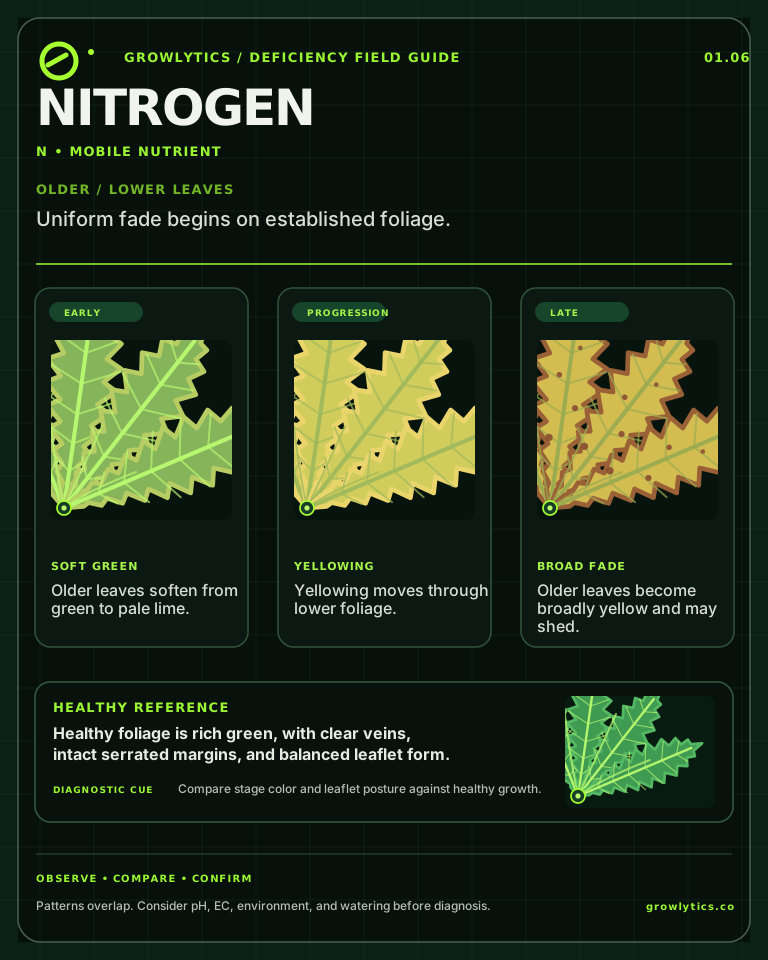
01 / Mobile
Older growth and lower leaves.
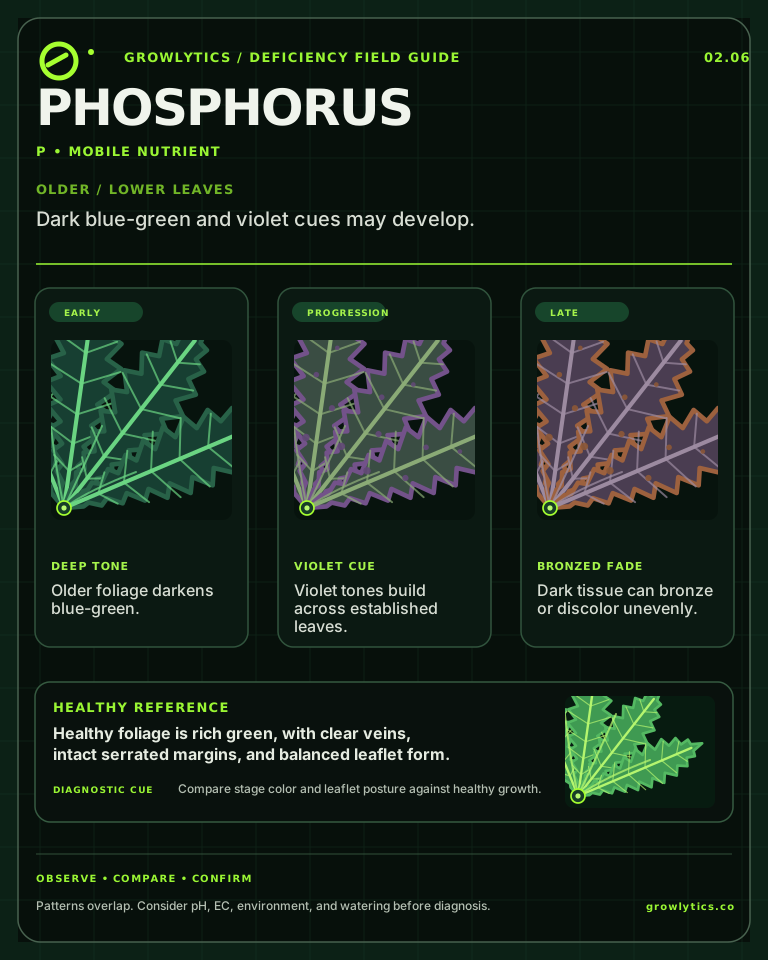
02 / Mobile
Older growth and lower leaves.
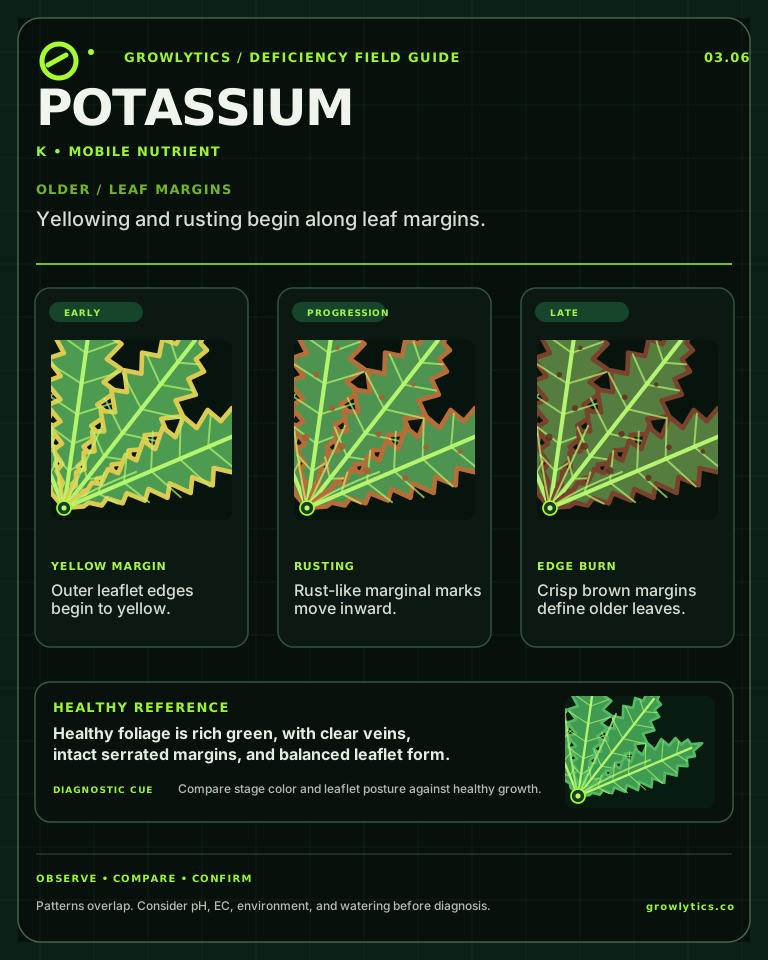
03 / Mobile
Older growth, especially leaf edges and margins.
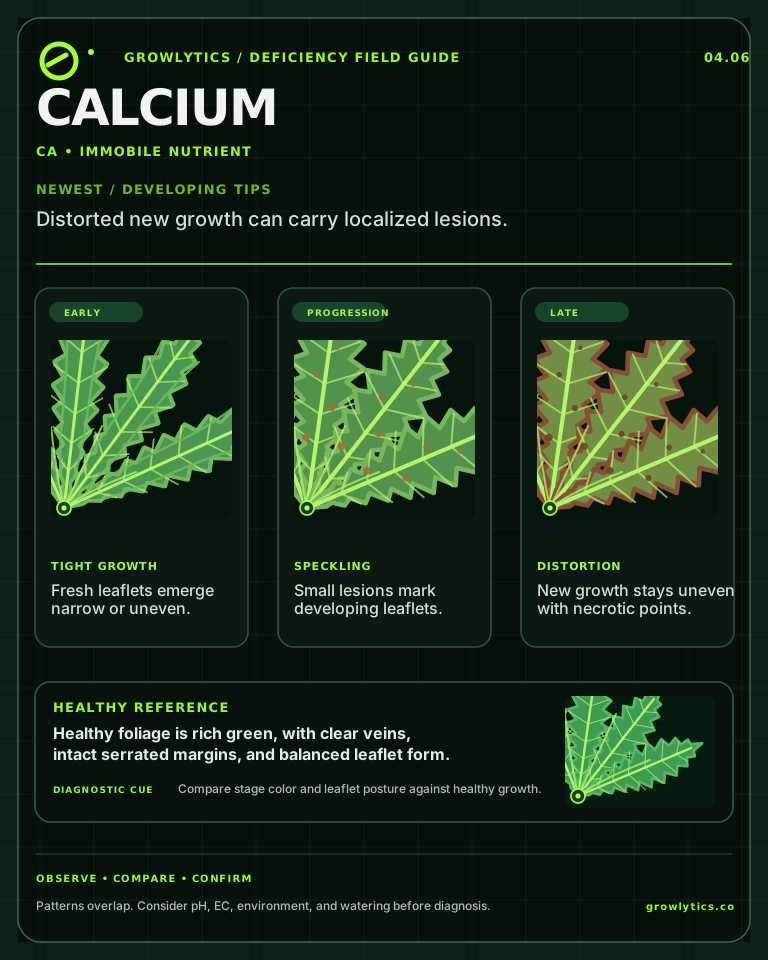
04 / Immobile
Newest growth and developing tips.
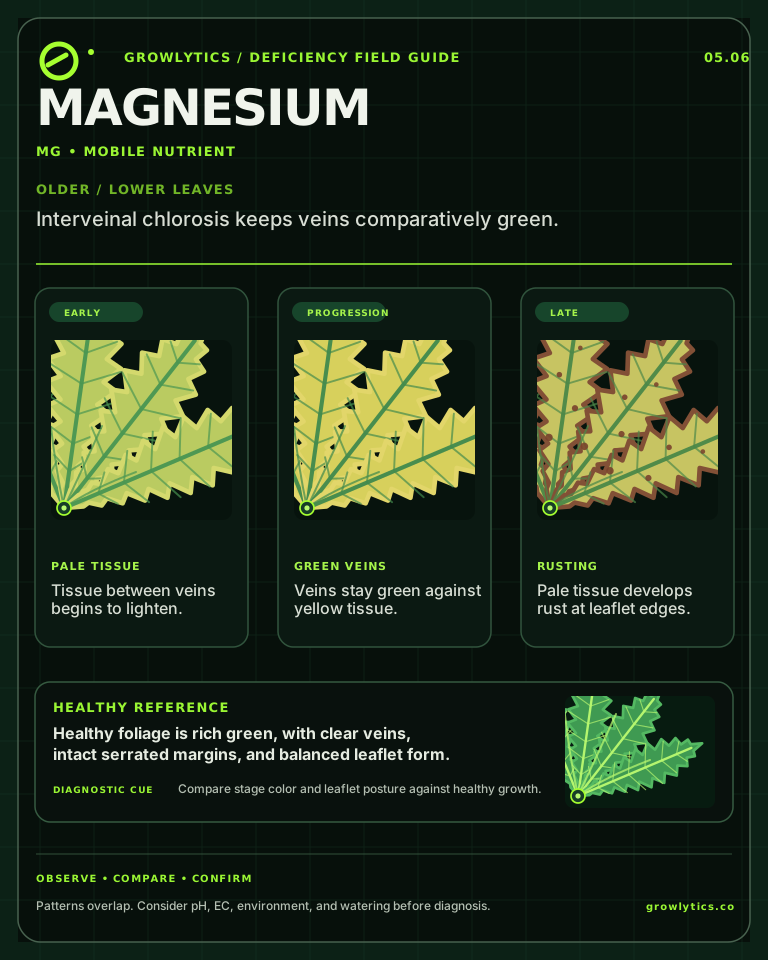
05 / Mobile
Older growth and lower leaves.
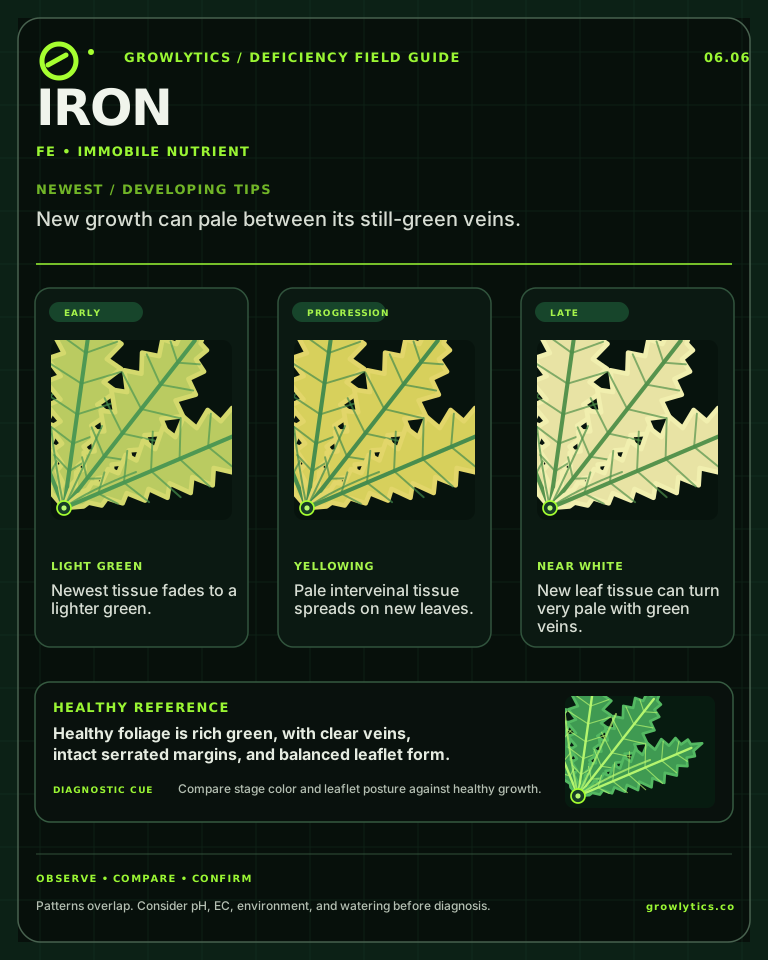
06 / Immobile
Newer growth and developing tips.
Check before acting
Check pH, EC, watering, root-zone conditions, light or heat stress, and pests before acting. Visible symptom patterns can overlap, so this guide helps you investigate rather than confirm a diagnosis.